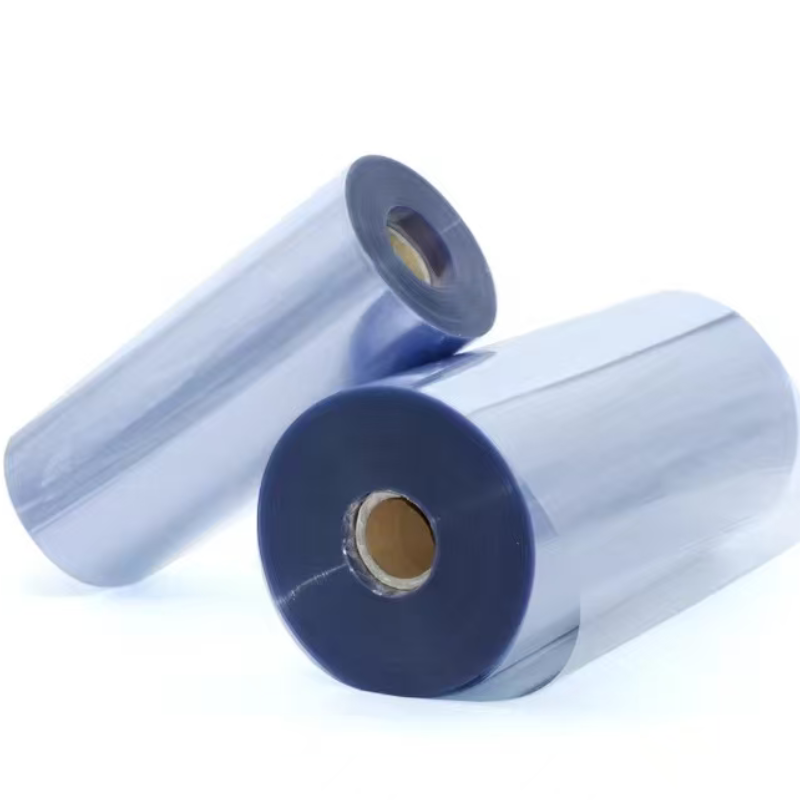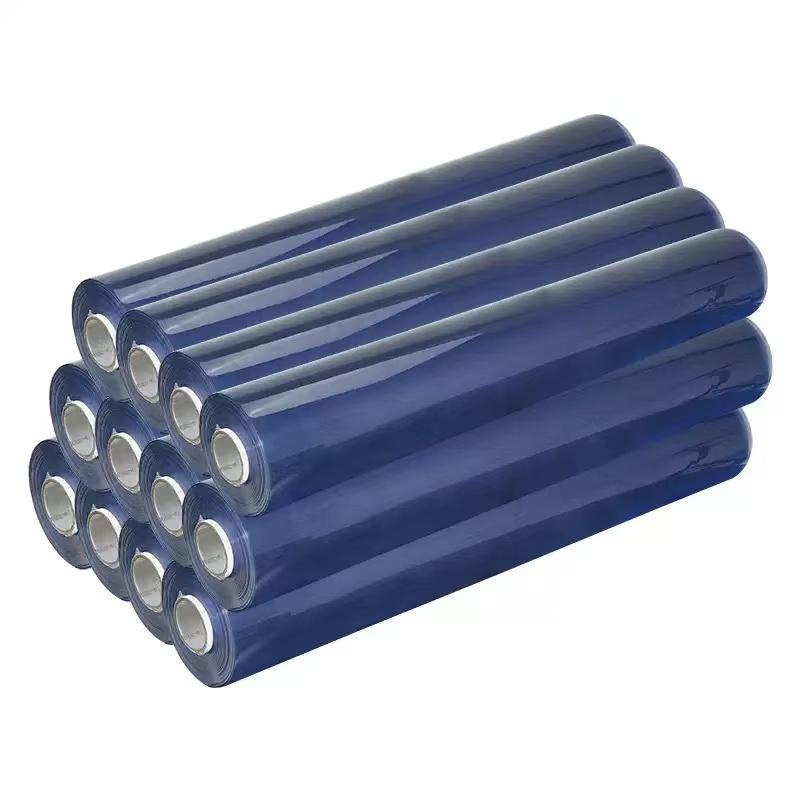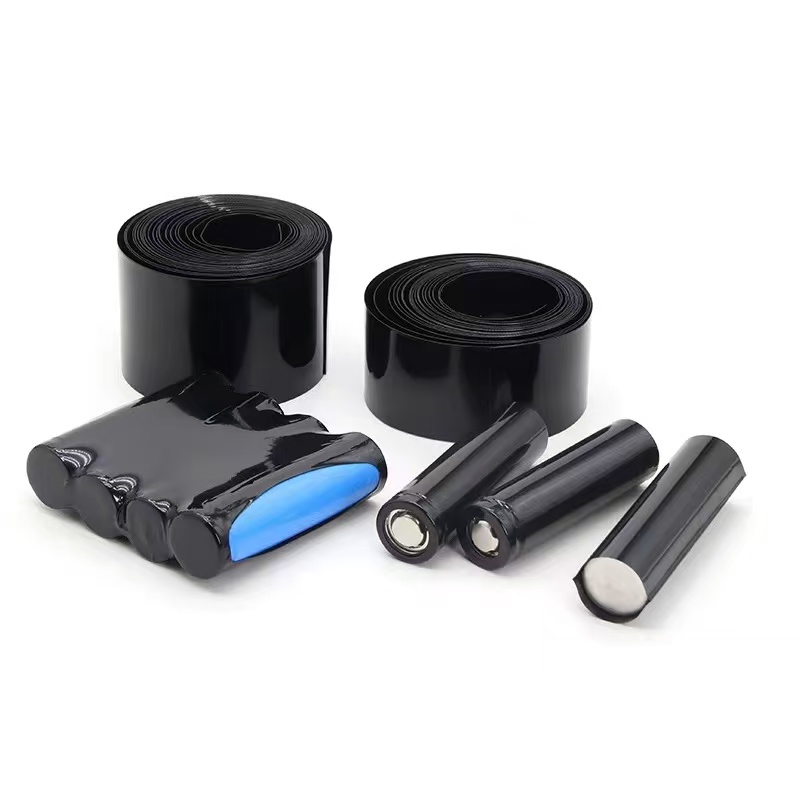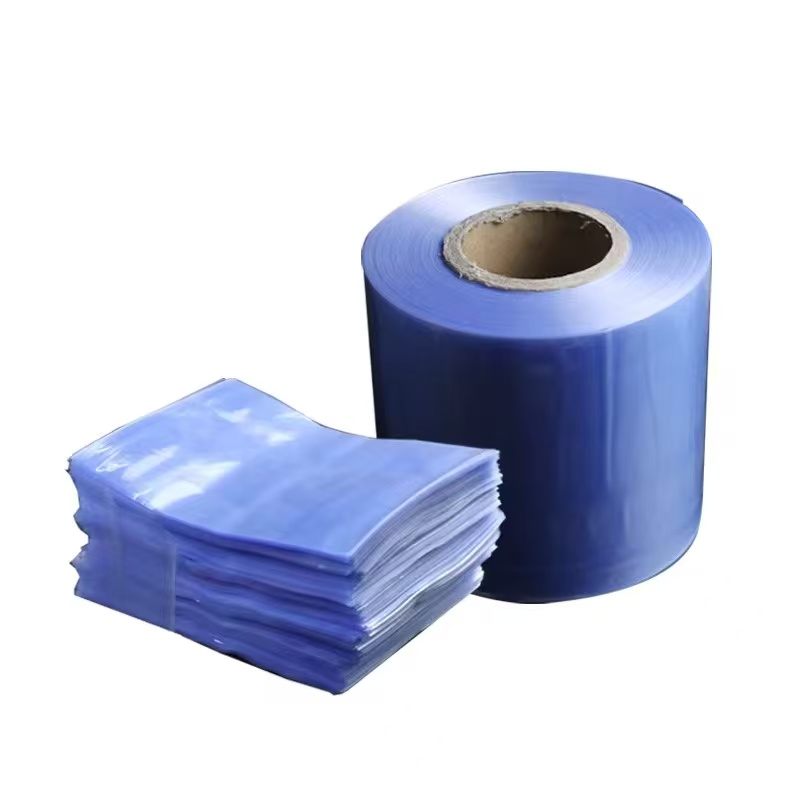


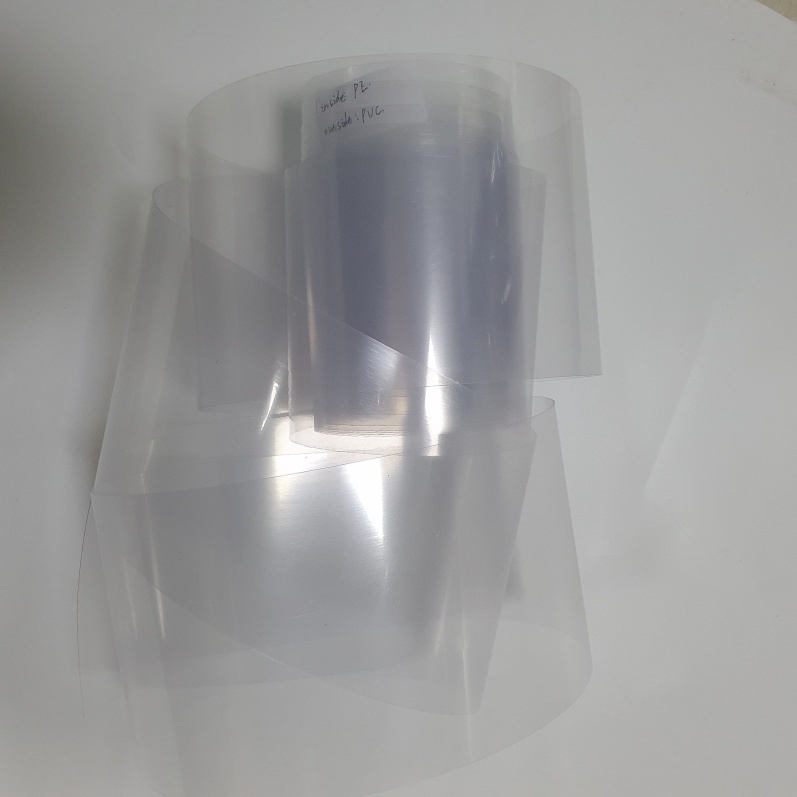
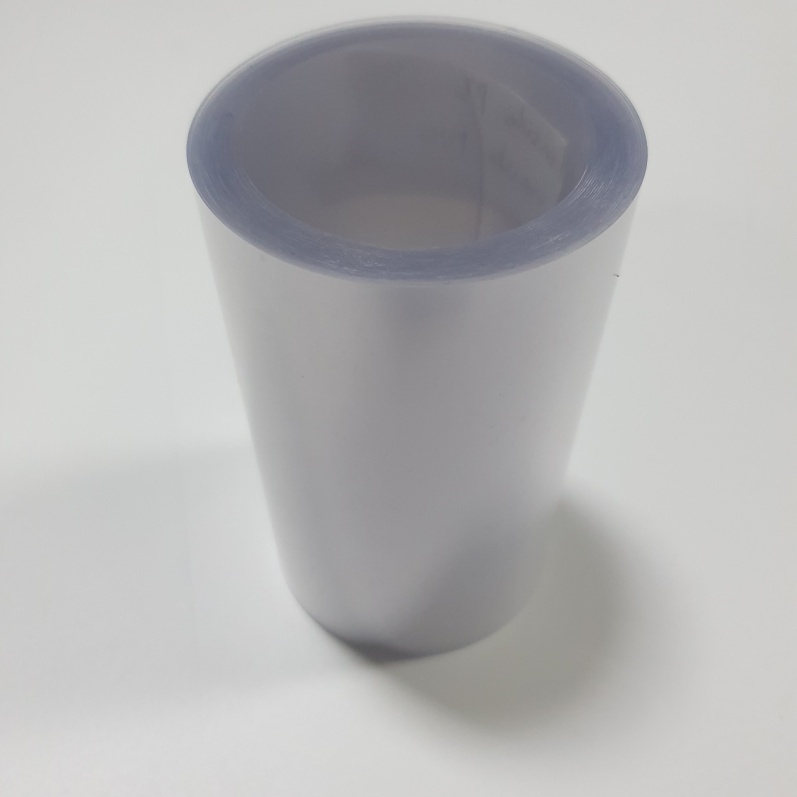
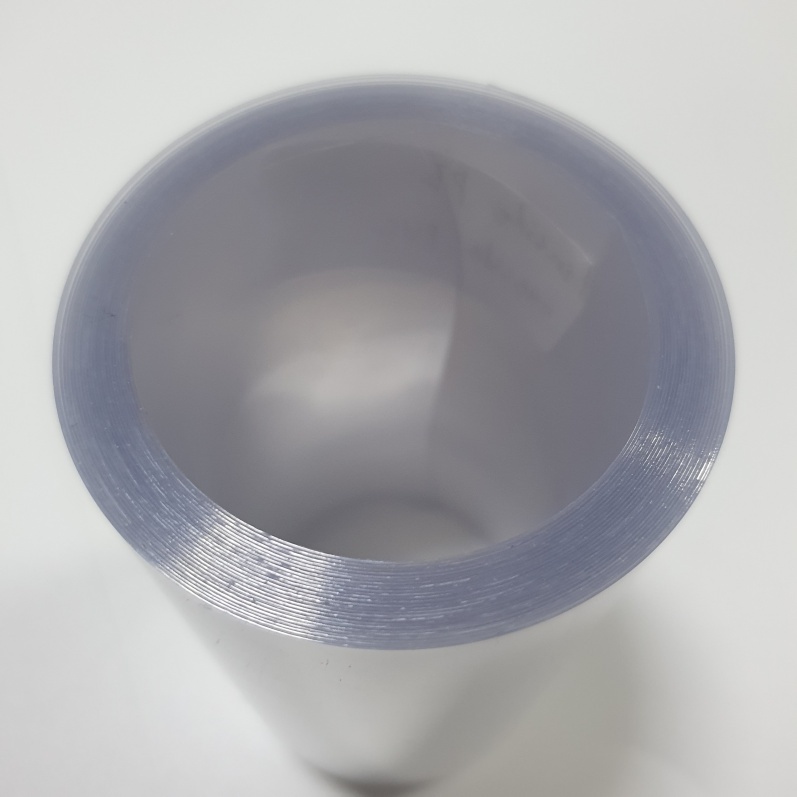
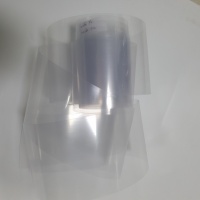
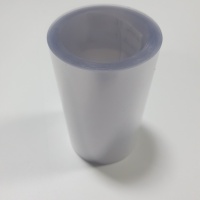
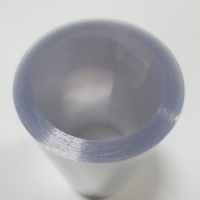
Transparent PVC/PE film for packaging liquids oral solutions
Transparent PVC/PE film, with excellent heat-sealing strength, is suitable for packaging liquids, oral solutions, suppositories, olive oil, etc. It meets food-grade and pharmaceutical-grade standards.
- top leader plastic
- China
- 15 business days
- 300 tons/month
- Information
Transparent PVC/PE film, with excellent heat-sealing strength, is suitable for packaging liquids, oral solutions, suppositories, olive oil, etc. It meets food-grade and pharmaceutical-grade standards.
Transparent PVC/PE composite rigid sheets are a high-performance packaging material. The following is a brief introduction:
Features: This composite sheet uses PVC as the support and water barrier layer, combined with a PE film. It combines the strength, toughness, and good gas barrier properties of PVC with the high liquid barrier performance and excellent heat-sealing properties of PE. It also features uniform thickness, high transparency, few crystal points, no impurities, impact resistance, corrosion resistance, and aging resistance.
Our PVC/PE composite sheets for COVID-19 vaccines have a thickness of 0.20-0.35mm and a width of 100-1050mm.
Applications: Suitable for various pharmaceutical packaging, such as suppositories and oral solutions, and also for various food packaging, such as olive oil.
Production Standards: Products are typically manufactured in a Class 100,000 cleanroom. Chemical performance indicators require vinyl chloride monomer content < 1/1,000,000, easily oxidizable substances < 1ml, and microbiological indicators require bacterial count < 100, mold < 30, no E. coli detected, and no abnormal toxicity, meeting food-grade and pharmaceutical-grade standards.
Our PVC/PE pharmaceutical composite rigid sheets are suitable for liquid packaging and feature pressure resistance, deformation resistance, and excellent processing and molding properties.
Compared to ordinary PVC or PE single-material sheets, the price is slightly higher due to the combined costs of raw materials, production process complexity, and compliance with food-grade/pharmaceutical-grade standards. This is mainly because the composite process improves product performance and requires higher safety certification requirements.
Key factors affecting the price mainly include: First, specifications and parameters; thickness (such as the common range of 0.12mm-1mm), width, and custom sizes directly affect the unit cost. Thicker sheets and more specialized sizes usually result in higher prices. Second, purchase volume; large-volume purchases can enjoy wholesale prices, while small-batch customization is relatively more expensive due to higher production and debugging costs.