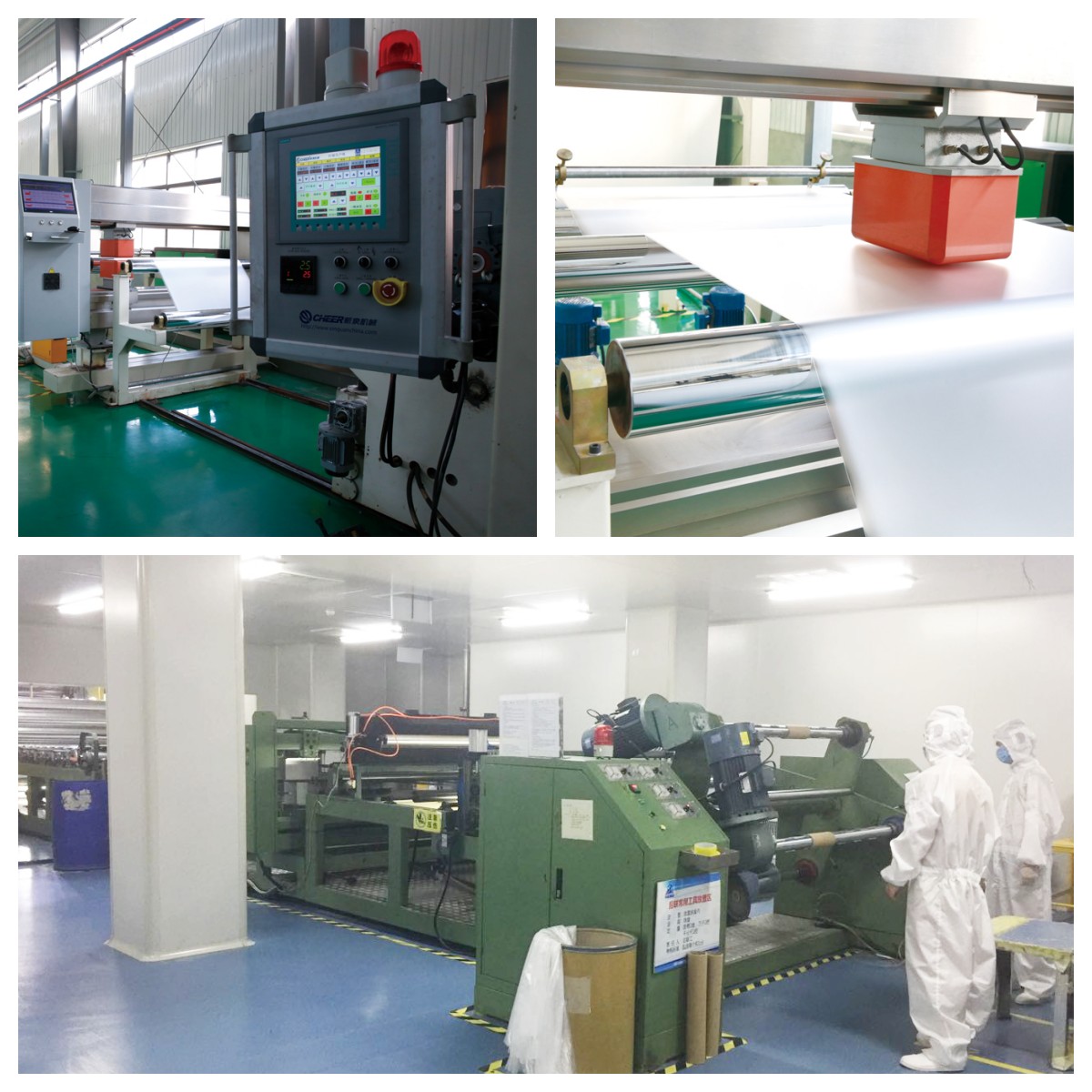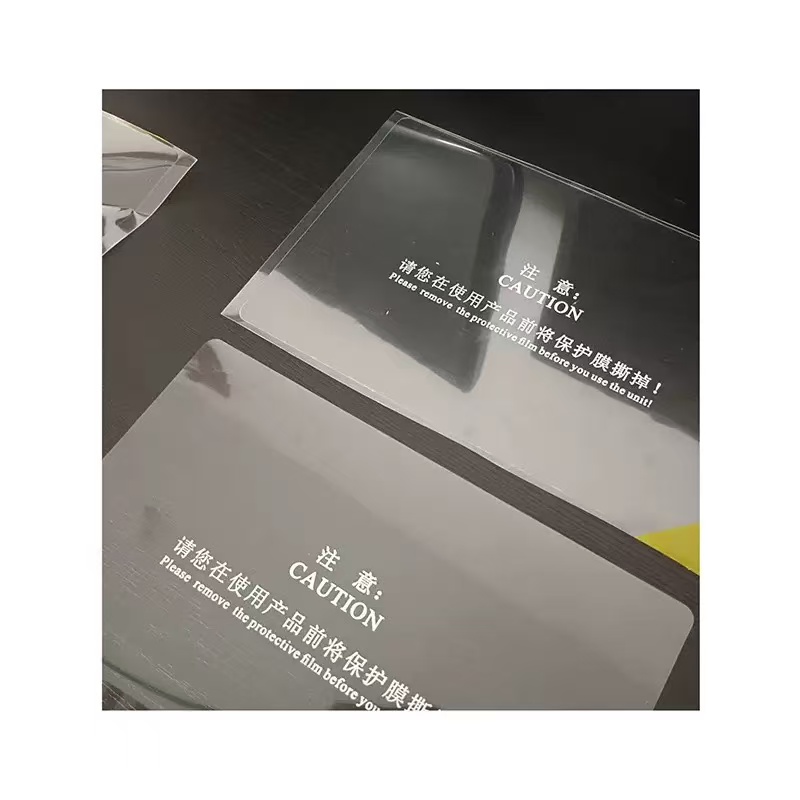


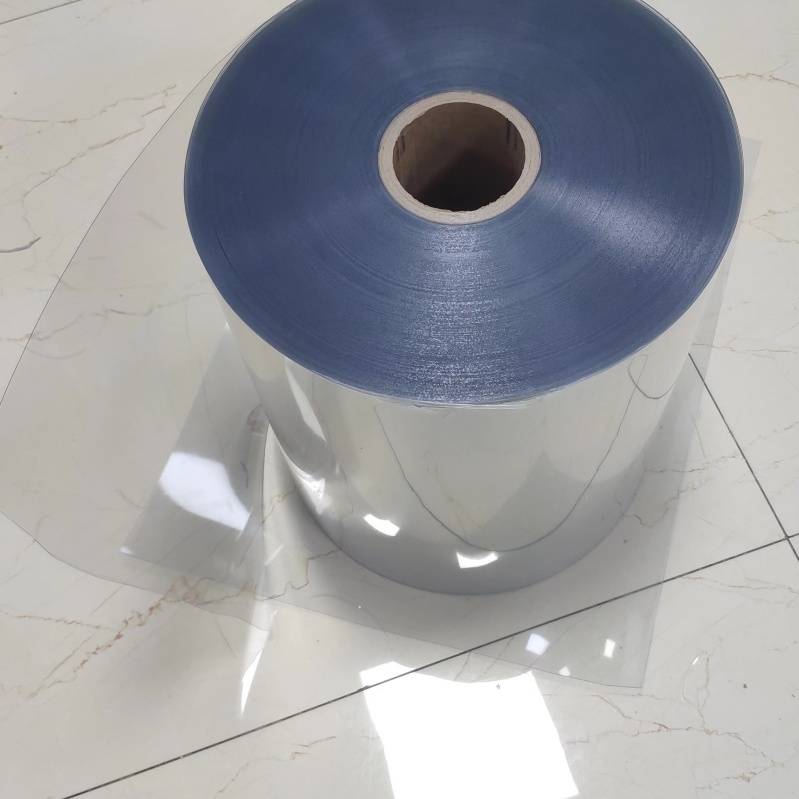
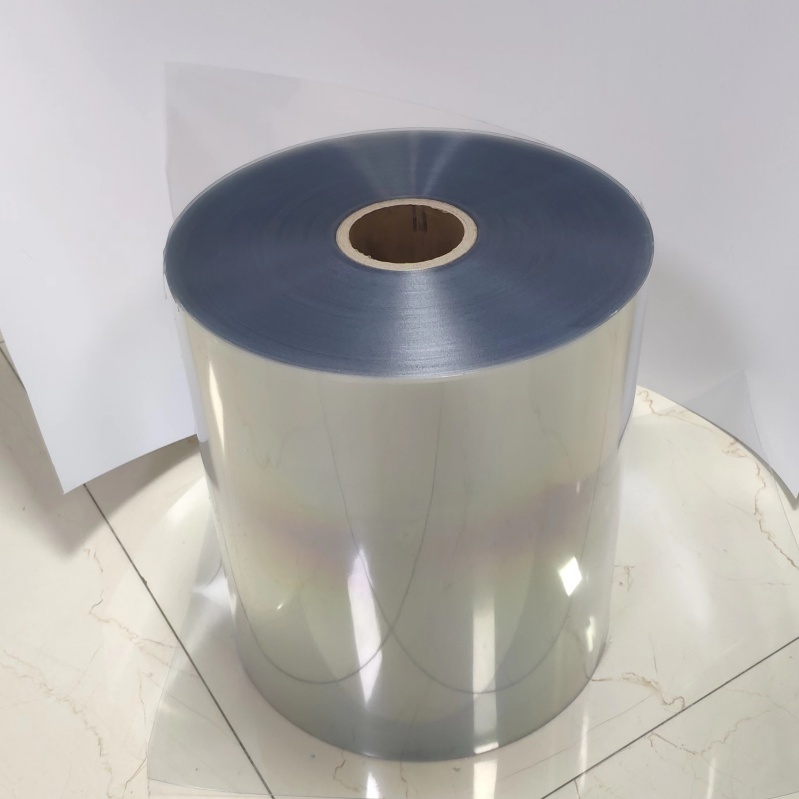
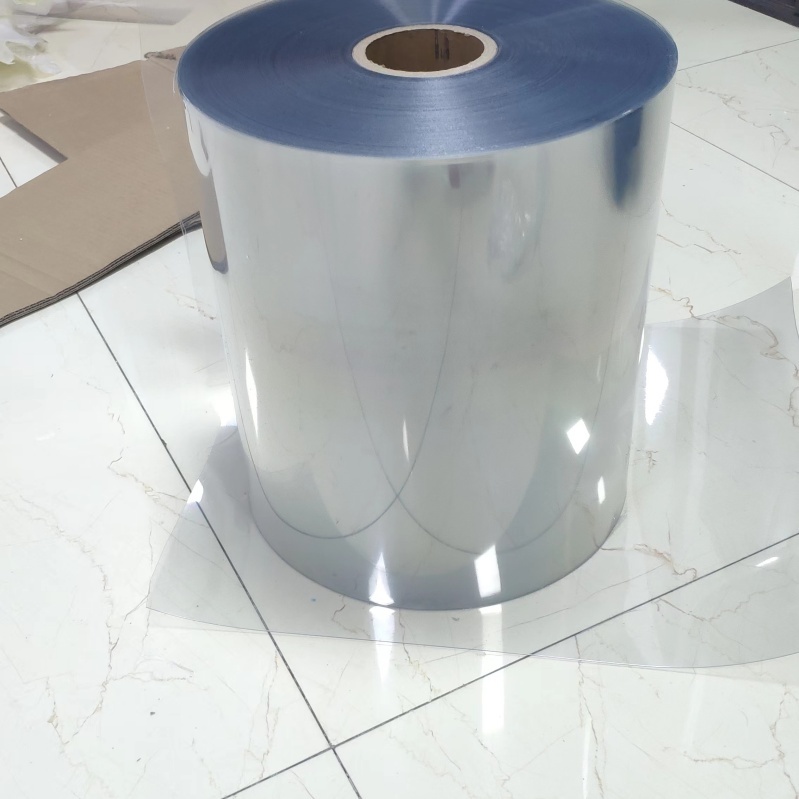
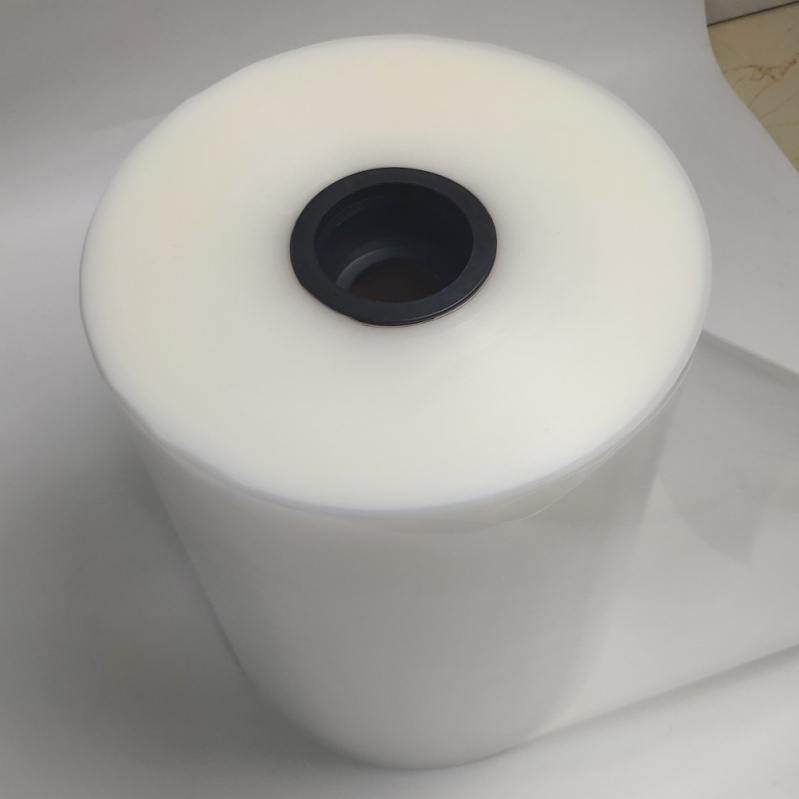
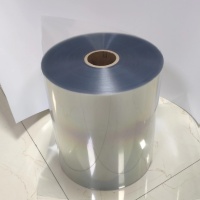
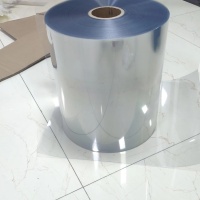
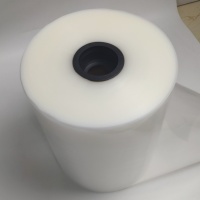
transparent PET/PE composite sheet Production process, food-grade bottom tray material
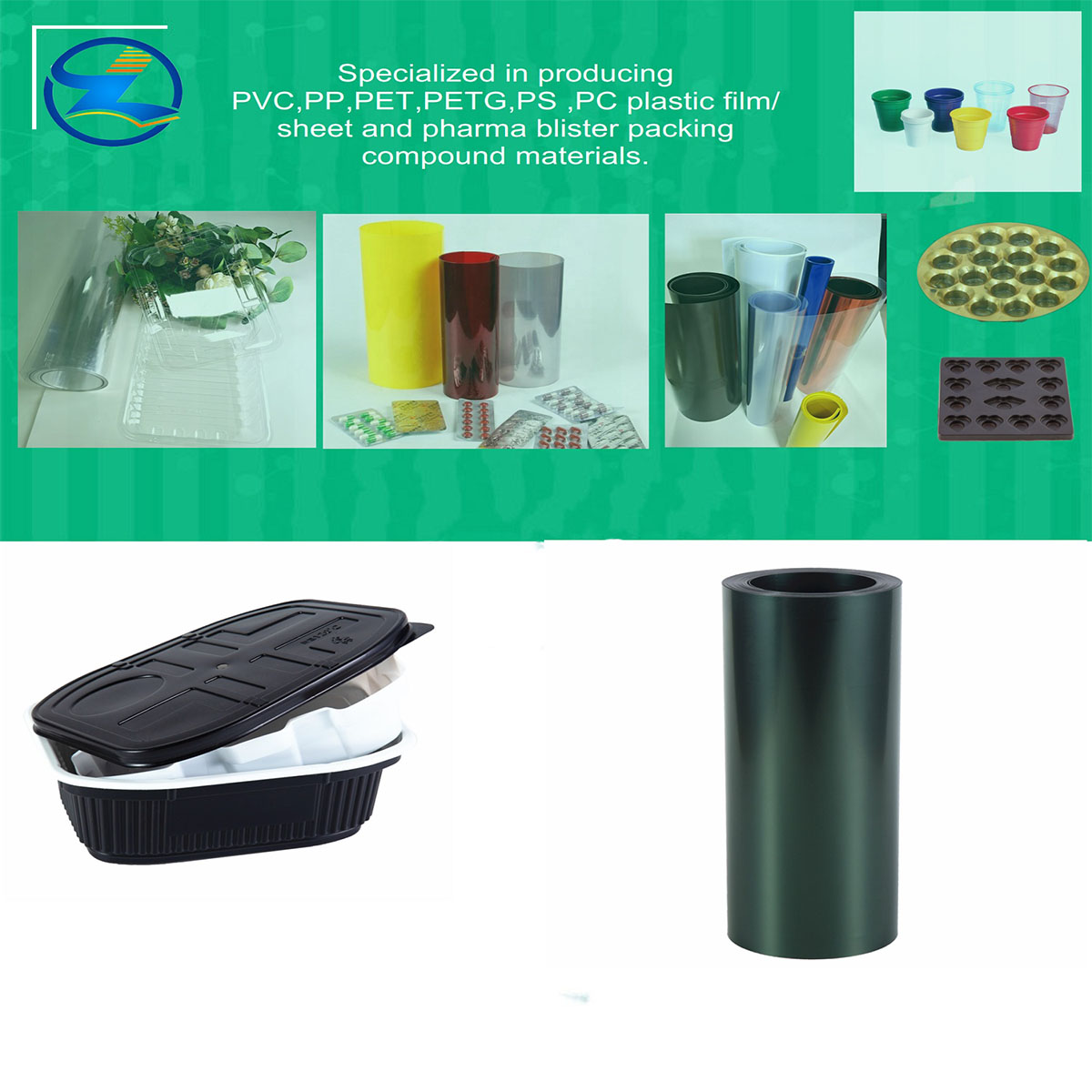
Transparent PET/PE Composite Sheet for Food-Grade Bottom Trays(Commonly called “APET/PE” or “PET+PE” co-extruded/laminated sheet)This material is one of the most widely used food-tray materials worldwide
- top leader plastic
- China
- 15 business days
- 1500 tons/month
- Information
transparent PET/PE composite sheet Production process, food-grade bottom tray material
we also have PA/PE top/lidding film go with it.
Transparent PET/PE Composite Sheet for Food-Grade Bottom Trays(Commonly called “APET/PE” or “PET+PE” co-extruded/laminated sheet)This material is one of the most widely used food-tray materials worldwide (e.g., fresh meat, poultry, ready meals, sushi trays, fruit punnets). It combines the rigidity, transparency and barrier of PET with the excellent heat-sealability and low-temperature toughness of PE.1. Raw Materials (Food-Grade Only)A-PET (Amorphous PET): Virgin food-grade PET resin
PE layer: Usually LDPE, LLDPE or metallocene PE (mPE), food-grade, with very low migration additives
Tie layer (adhesive resin): Maleic-anhydride grafted PE or special co-extrusion tie resin (food-contact approved)
2. Typical Structure (3–7 layers)Most common commercial structures for bottom trays:Layer
Material
Thickness ratio
Function
Outer
A-PET
70–90 %
Rigidity, transparency, printability
Tie
Functional tie resin
2–5 %
Adhesion between PET and PE
Inner
LDPE / LLDPE / mPE
10–25 %
Heat-sealing, low-temp impact, food contact
Total thickness usually 300–1200 μm (0.3–1.2 mm), of which PE sealing layer 30–150 μm.3. Two Main Production ProcessesProcess A – Cast Co-extrusion + In-line Lamination (Most common, highest transparency)Drying PET pellets: 140–160 °C, 4–6 h, dew point < −40 °C (crucial for transparency)
PE and tie resin usually no pre-drying
Extrusion Main extruder (PET): 260–280 °C
Co-extruder 1 (tie) + Co-extruder 2 (PE): 200–240 °C
Feed-block + flat die (coat-hanger type), die temp 270–280 °C
Casting Melt curtain cast onto highly polished chill roll (mirror finish, 20–40 °C) → achieves very high transparency (haze < 2 %)
Thickness gauging & automatic die-bolt control
Corona treatment on PE side (42–46 dynes) for lidding film sealing
Edge trimming → winding
Process B – Extrusion Lamination (used when very thick PE layer or special barrier is needed)Extrude transparent A-PET base sheet first (same as above) → wound roll
In second step, extrude molten PE + tie layer onto the PET sheet through a second T-die and laminate under pressure nip → slightly lower transparency (haze 3–6 %) but cheaper for very thick PE layers (>150 μm)